


Benefits of Group vs. Private Swim Lessons
Group swim lessons encourage social learning and cost around half as much per session as private instruction. Private lessons offer faster progress for children who need focused attention, while group sessions often build comfort through peer interaction and games. Parents frequently wait 30-45 minutes during swim classes, a window some use to relax or to explore quick diversions on their phones. For many, this means checking a round of free spins or comparing welcome offers on various apps, taking advantage of promotions that appear for new users. Time passes quickly when a parent is tracking a jackpot or watching their child in the water.
Which swim lesson style helps kids learn faster

Private swim lessons usually lead to faster progress for most children, especially those who need individual attention or have specific fears. One-on-one instruction lets the teacher adjust every drill and explanation to the child’s pace and comfort.
Group lessons often move slower, as the instructor divides attention and adapts to the average skill level. Children may benefit from social motivation, but progress can stall if a group’s skill mix is uneven. During swim lessons, parents often fill the waiting time with their own routines, sometimes turning to online casinos, where they might play a few spins or claim a free bonus while keeping an eye on the pool.
Some parents bring a book or chat with others on the benches, glancing up whenever their child's turn comes. This waiting time during lessons becomes a pocket of freedom, and many parents now fill it by playing online casino games on their phones. Users find that verde casino platform offers jackpots that can grow surprisingly quickly, adding a bit of excitement to the pause. As the lesson continues, parents can stay nearby and still enjoy a moment for themselves.
Choosing the right lesson type can free up more time for parents, whether for relaxation or a quick round of blackjack on their phone. Bonuses and offers may seem tempting, but quick decisions at the poolside can sometimes lead to overlooked wagering requirements or forgotten deposit limits.
How social and confidence benefits compare
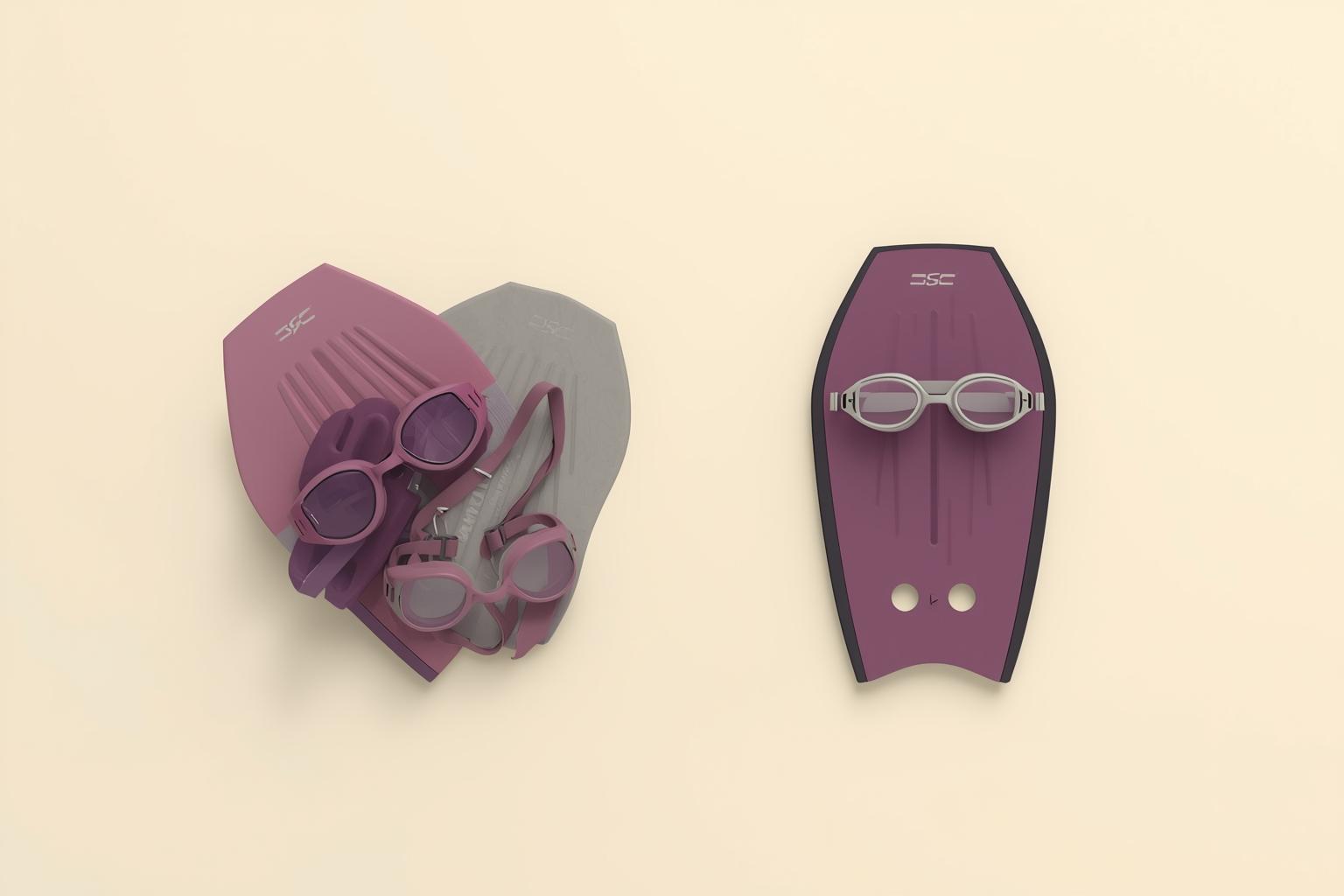
Choosing between group and private swim lessons shapes how children develop confidence and connect with others. Group classes create real-time opportunities for teamwork and peer encouragement, while private sessions focus on tailored feedback and faster skill mastery. As children gain independence in the pool, parents often spend their wait browsing mobile games or exploring online casino bonuses, using these moments for a bit of light diversion.
Peer interaction in group lessons
Children gain practical social skills fastest in group swim lessons where peers are learning alongside them. Shy kids often find it easier to participate when surrounded by others, while outgoing children channel their energy into friendly contests. This shared environment shapes how teamwork and competition unfold:
- Instructors pair swimmers for partner drills, pushing even the most hesitant to communicate and cooperate.
- Small groups form for relay races, sparking playful rivalry and laughter that helps kids move past early nerves.
- Children copy each other’s technique, picking up new ways to float, kick, or dive without direct instruction.
- Parents, freed from hovering poolside, often turn to their phones, trying out online slots or chasing a welcome bonus to make the wait more engaging.
- Some discover that winning a small payout during a lesson becomes part of their weekly ritual, a private moment of fun before returning to poolside cheers.
A lively group class offers social learning and visible confidence boosts, while solitary private lessons rarely spark the same peer-driven motivation. Parents who find themselves with free time might use it for a few spins on their favorite game–adding a quiet thrill to their child’s swim progress.
Confidence building in private sessions
Children working with a private swim instructor often receive comments tailored to their exact movements. This immediate, specific feedback helps them recognize progress more quickly than in a group setting.
In a one to one session, the instructor spots small improvements, such as a corrected arm angle or steadier kick, and points them out on the spot. Some children who hesitate in larger groups show marked gains in self assurance when each session brings concrete praise linked to their own actions. The quiet poolside environment can help them focus on each skill without distraction.
While private lessons run, parents often relax or fill the waiting time with their own leisure. Many use a phone or tablet to play online games involving jackpots, matching symbols, or bonus rounds. Welcome offers and free spins appear as pop ups, and a quick win can make the wait feel shorter. These games require setting a deposit and navigating payout rules, which can be confusing for those new to the platforms.
Families with tight schedules and children who respond best to personal encouragement benefit most from private swim lessons. For parents seeking a quick distraction, diving into a round of slot reels or trying a bonus offer online can fill the wait between lessons.
Social growth and self-assurance build differently in each swim lesson format, leaving families to select what best matches their needs. For some parents, waiting by the pool becomes a window for a few quick rounds at a favorite slot or checking the latest free spin offers, adding a touch of personal entertainment to the routine.
Who should avoid each lesson type

Some children find group swim lessons overwhelming due to sensory issues or social anxiety, while others may not respond well to the intensity of private sessions. Choosing an ill-suited format can stall progress or create stress. Parents often use poolside waiting time to unwind, sometimes by scrolling through their phones or engaging with quick games that offer a few free spins or small cash incentives, adding a bit of diversion to the routine.
When group lessons are not ideal
Children who panic at group noise rarely settle in shared swim classes. Overstimulation can lead to stalled progress and anxiety, pushing some families to search for quieter options. Meanwhile, as parents watch from the sidelines, some turn to online casinos for quick entertainment during lesson downtime, dipping into slots or bonus rounds while keeping an eye on the pool.
| Age or Trait | Typical Group Reaction | Barrier to Progress | Private Lesson Benefit |
|---|---|---|---|
| 3 years old, slow to warm | Cries or clings to the parent at every session | Cannot focus on instructions; disrupts the group rhythm | Familiar face and gentle pace build trust |
| Sensory sensitivity | Covers ears, refuses to enter water with others splashing | Noise and movement overwhelm, leading to refusal | Calm, predictable setting reduces distress |
| Short attention span | Leaves the group, ignores the teacher's cues | Misses safety skills, falls behind peers | Direct engagement holds attention |
| Selective mutism | Silent, avoids eye contact, freezes when called on | Never asks for help, avoids interaction | One teacher means no pressure to speak up |
| Separation anxiety lasting months | Cries at drop off, refuses to join activities | Needs constant reassurance, delays learning | Familiar routine with one adult soothes nerves |
Failure to spot these mismatches leads to frustration for both child and instructor, with swim progress stalled for weeks. For adults, passing the wait time on slots or roulette at online casinos can provide a brief distraction, but frequent breaks to check on the lesson are common.
When private lessons are less effective
Children who thrive on interaction often find private swim lessons less stimulating than group formats. Limited peer presence can leave highly social kids disengaged, which sometimes slows progress or reduces enthusiasm for returning week after week.
- Personalized attention from instructors
- Faster correction of stroke errors
- Flexible scheduling for busy families
- Quieter environment helps nervous swimmers focus
- Lack of peer interaction for outgoing children
- Reduced motivation without friendly competition
- More expensive per session than group classes
Some parents use the quiet of private lesson time to enjoy a few free spins or check the day's jackpots on their favorite slot site, making the most of the undisturbed hour. Licensed sites typically offer quick bonus rounds, but unfamiliar payout rules can catch newcomers off guard if not reviewed closely.
Children matched with the wrong lesson type may lose interest or struggle to develop water confidence. For parents watching from the sidelines, brief rounds of slots or hunting for bonuses online can become a familiar way to turn waiting time into something more enjoyable.